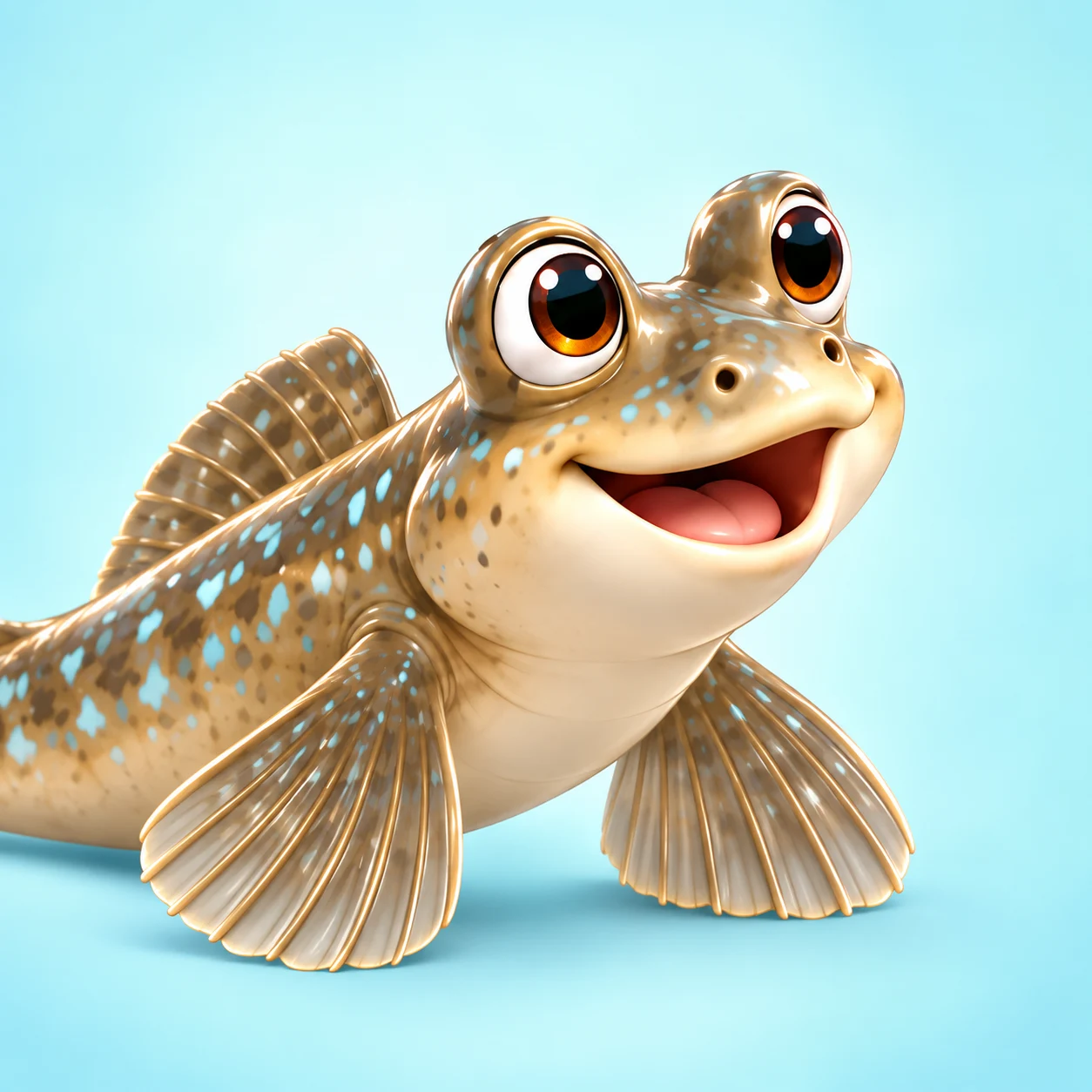
MEET THE REAL OCEAN FRIENDS
Real animals.
Wonderful discoveries.
Meet some of the animals behind our make-believe coastal world.
There are many kinds of bream, whiting, seahorses, turtles and mudskippers. The named species here are real examples to explore together; our characters are imaginative friends, not scientific illustrations.
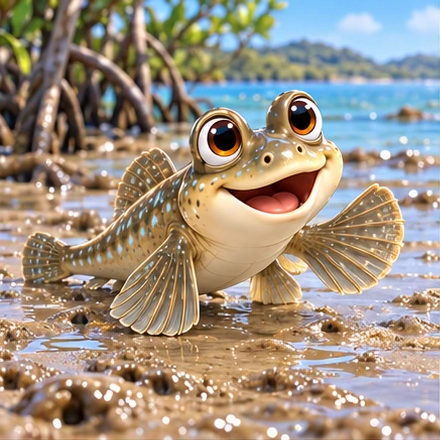
RAFFY’S REAL-WORLD NEIGHBOURS
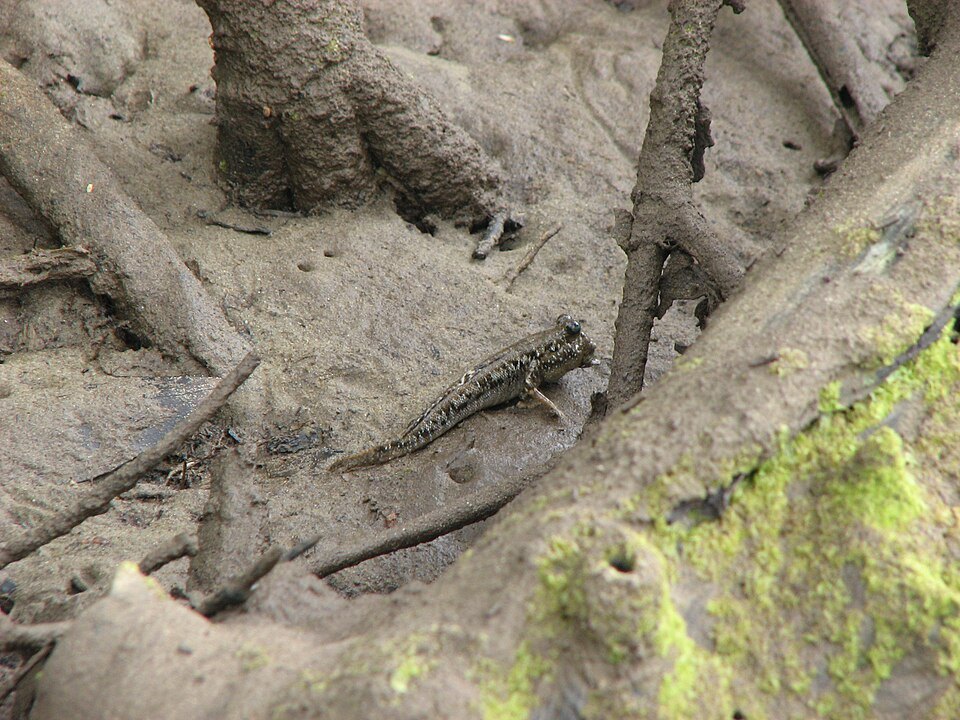
Mudskippers
A fish out of water!
- Mudskippers are fish that can spend time on wet mud.
- Their side fins help them move over the ground.
- They need to stay moist to breathe through their skin.
In our stories: Raffy’s muddy adventures grow from these remarkable abilities.
Try it together: Can you invent a little muddy adventure without leaving your seat?
Facts for grown-ups: Holloways Beach Environmental Education Centre ↗
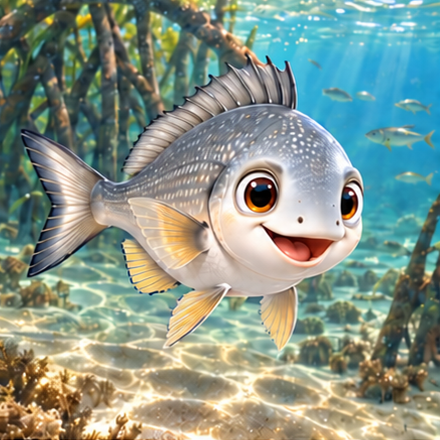
BARRY’S REAL-WORLD NEIGHBOURS
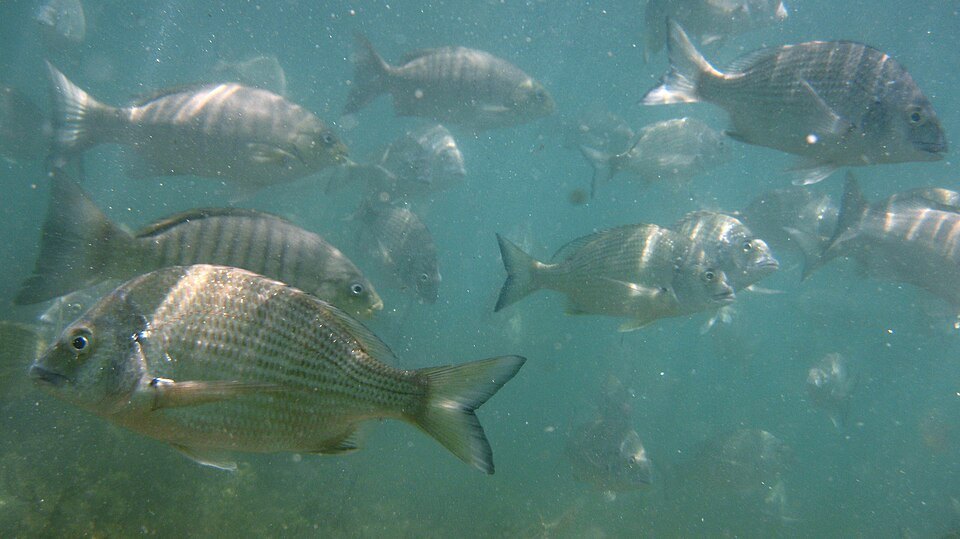
Yellowfin bream
A silver coastal neighbour
- Yellowfin bream have silvery to olive-coloured bodies.
- Some of their fins have a yellow tint.
- They live in estuaries and near coastal rocky reefs.
In our stories: Barry’s sunlight messages to Willa are part of our fictional Oceanese.
Try it together: Find something shiny. What changes when you turn it towards a light?
Facts for grown-ups: NSW Department of Primary Industries and Regional Development ↗
WILLA’S REAL-WORLD NEIGHBOURS
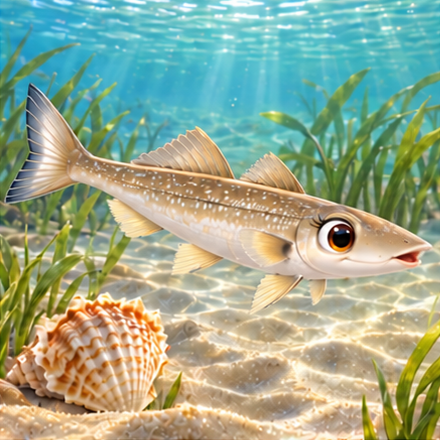
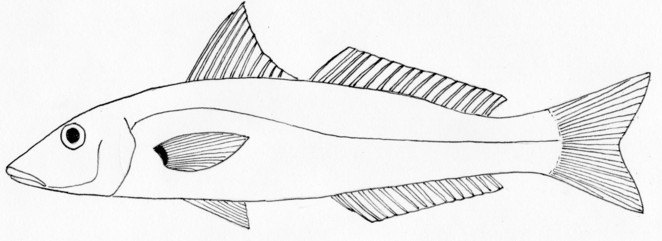
Sand whiting
Two fins along the back
- Sand whiting have two separate back fins.
- Their bodies are silver-grey above and pale below.
- Young sand whiting can live among seagrass.
In our stories: Willa turns her coastal talents into games of hide-and-seek.
Try it together: Draw two hiding places. Which would be easier for a silvery fish to blend into?
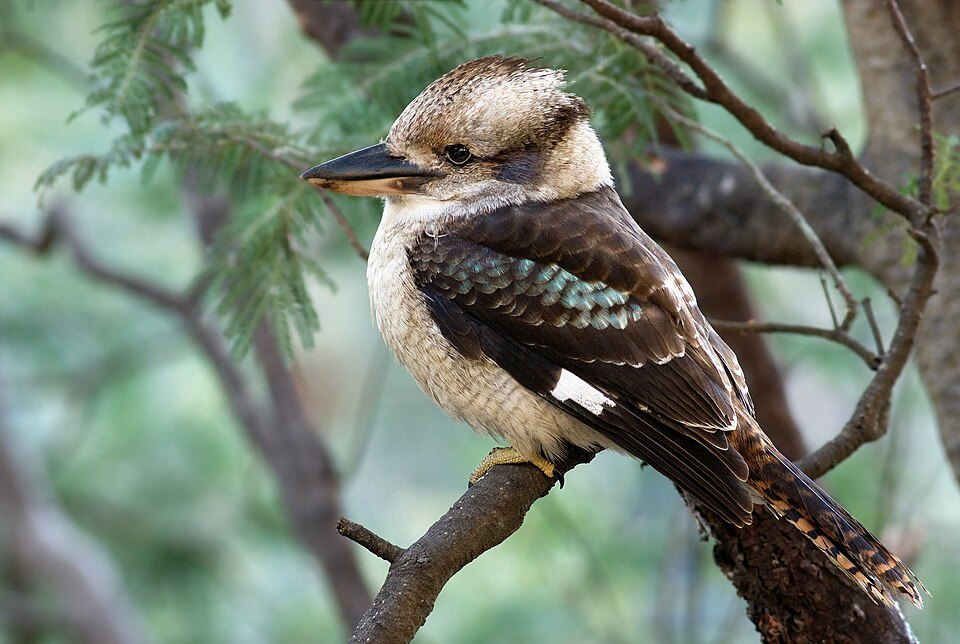
CLANCY’S REAL-WORLD NEIGHBOURS
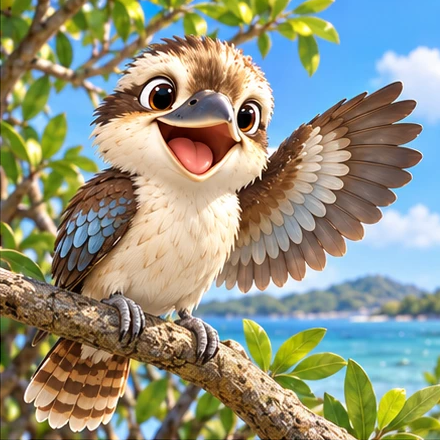
Laughing kookaburras
A familiar laughing call
- Laughing kookaburras belong to the kingfisher family.
- Their loud call sounds like laughter.
- They live in woodlands and forests.
In our stories: Clancy uses his laugh and wing waves to join the friends’ Oceanese.
Try it together: Take turns making a gentle sound for the other person to copy.
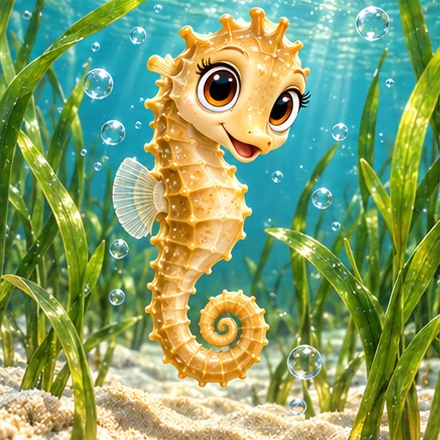
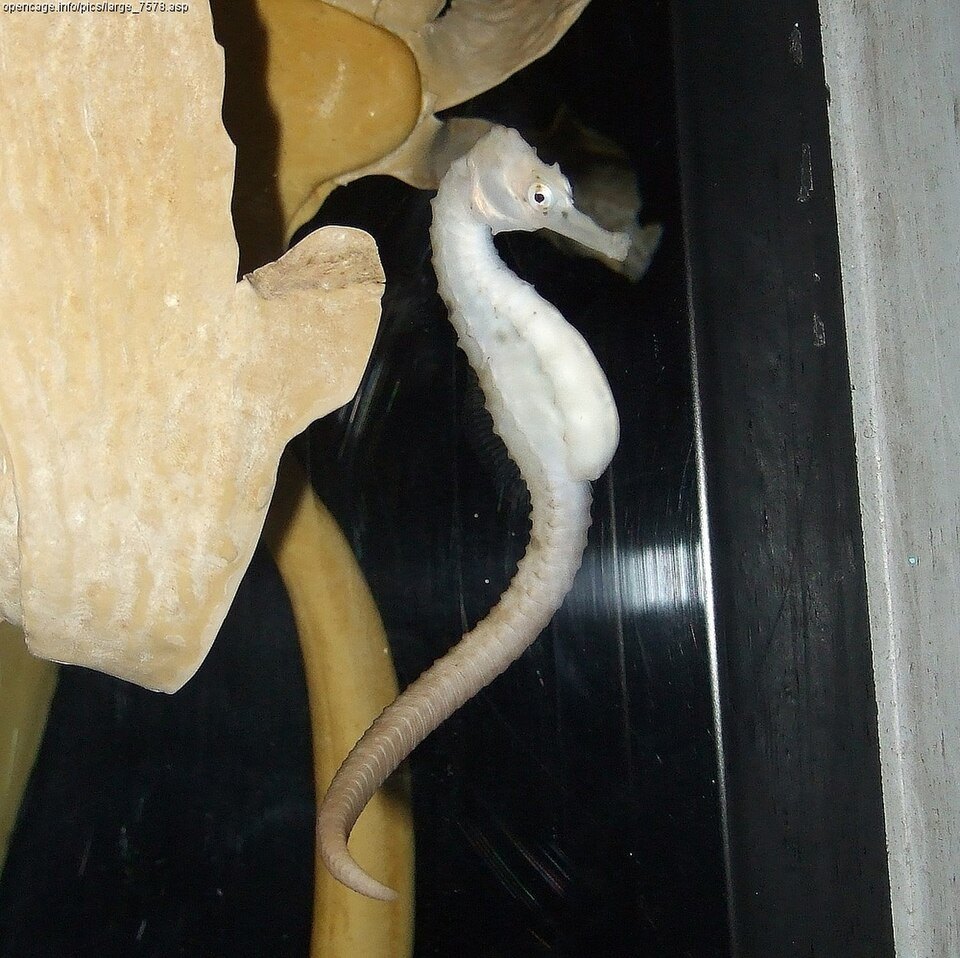
KEELY’S REAL-WORLD NEIGHBOURS
Seahorses
A tail that holds on
- Seahorses are fish.
- A seahorse can curl its tail around a perch.
- In seahorses, the male carries developing young in a pouch.
In our stories: Keely’s imaginative dances belong to our story world.
Try it together: Can you draw a curly tail without lifting your pencil?
Facts for grown-ups: Museums Victoria — bigbelly seahorse example ↗
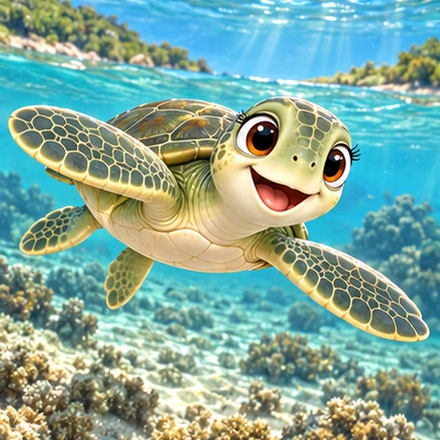
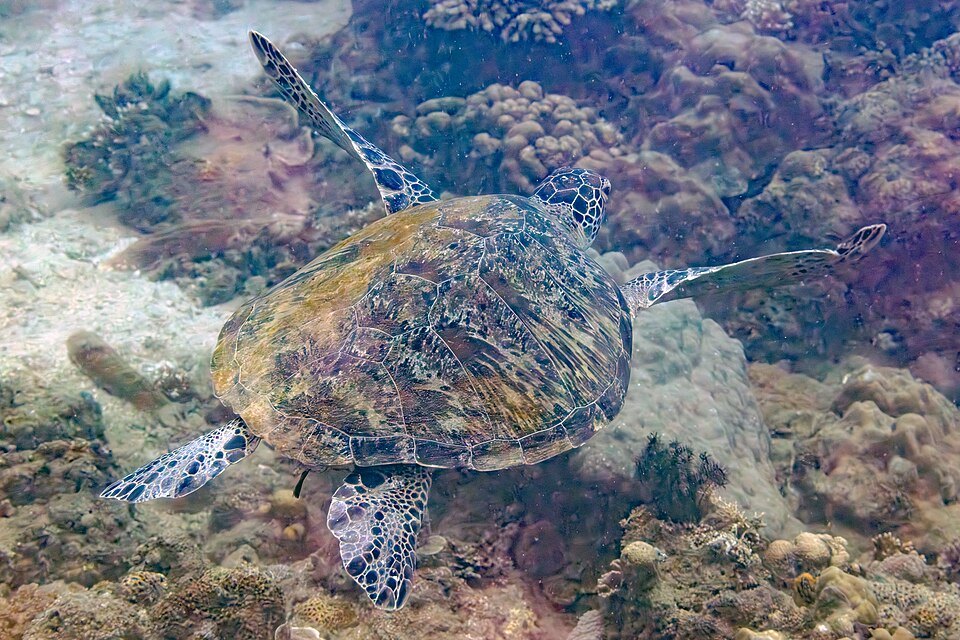
TIA’S REAL-WORLD NEIGHBOURS
Sea turtles
Flippers for exploring
- Sea turtles breathe air with lungs.
- Their strong front flippers help them swim.
- Female sea turtles come onto beaches to lay eggs.
In our stories: Tia uses her flippers to add a gentle beat to Oceanese.
Try it together: Trace a winding swimming trail with your finger.
Facts for grown-ups: Australian Museum — green turtle example ↗
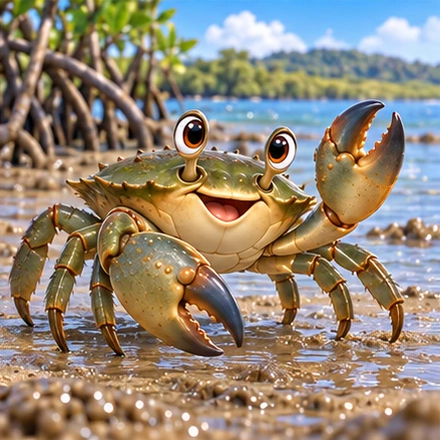
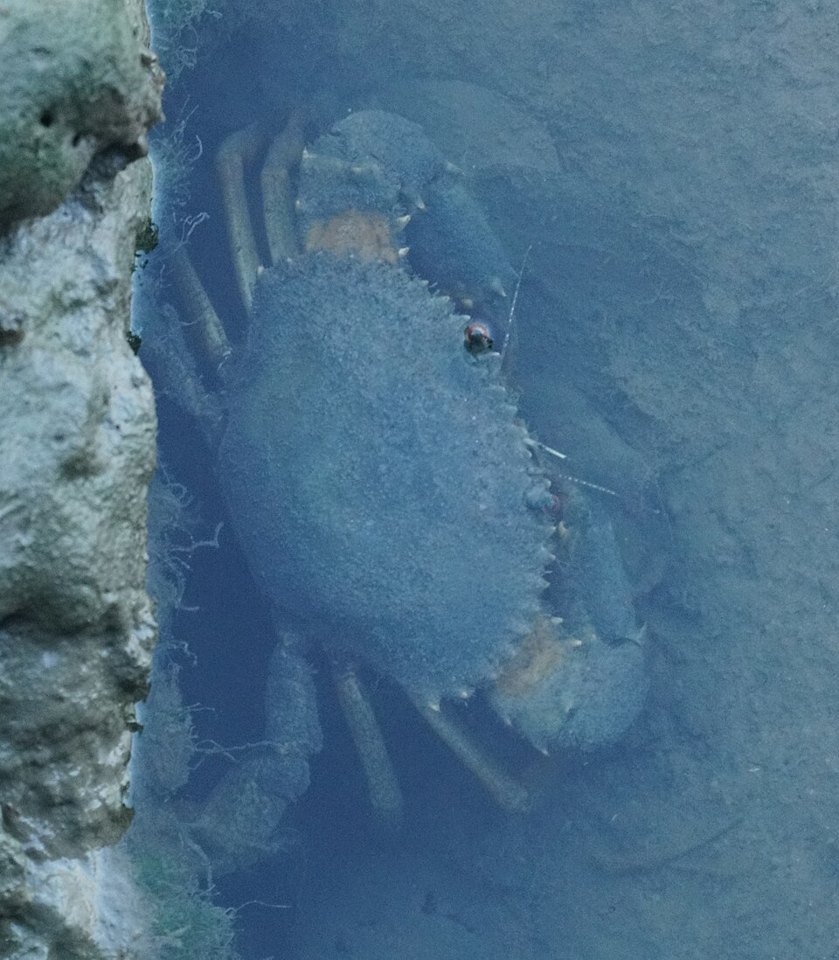


MURRAY’S REAL-WORLD NEIGHBOURS
Mud crabs
A strong coastal crawler
- Mud crabs have a hard outer shell.
- Their two front nippers can grip things.
- They live around sheltered coastal waterways and mangroves.
In our stories: Murray uses his nippers carefully and borrows his friends’ ideas.
Try it together: Design a sandy trail with space for every friend.
A little nature. A little imagination.
Scribbles’s ink drawings are storybook play. Real squid use ink in other ways. Some pufferfish species make sand circles; that is not a skill shared by every pufferfish. We will explore our newcomers’ real-world relatives as their stories grow.